Is Huaraz Safe For Tourists?
The honest safety picture for the Cordillera Blanca's basecamp town, where altitude, not crime, is the thing to plan around.
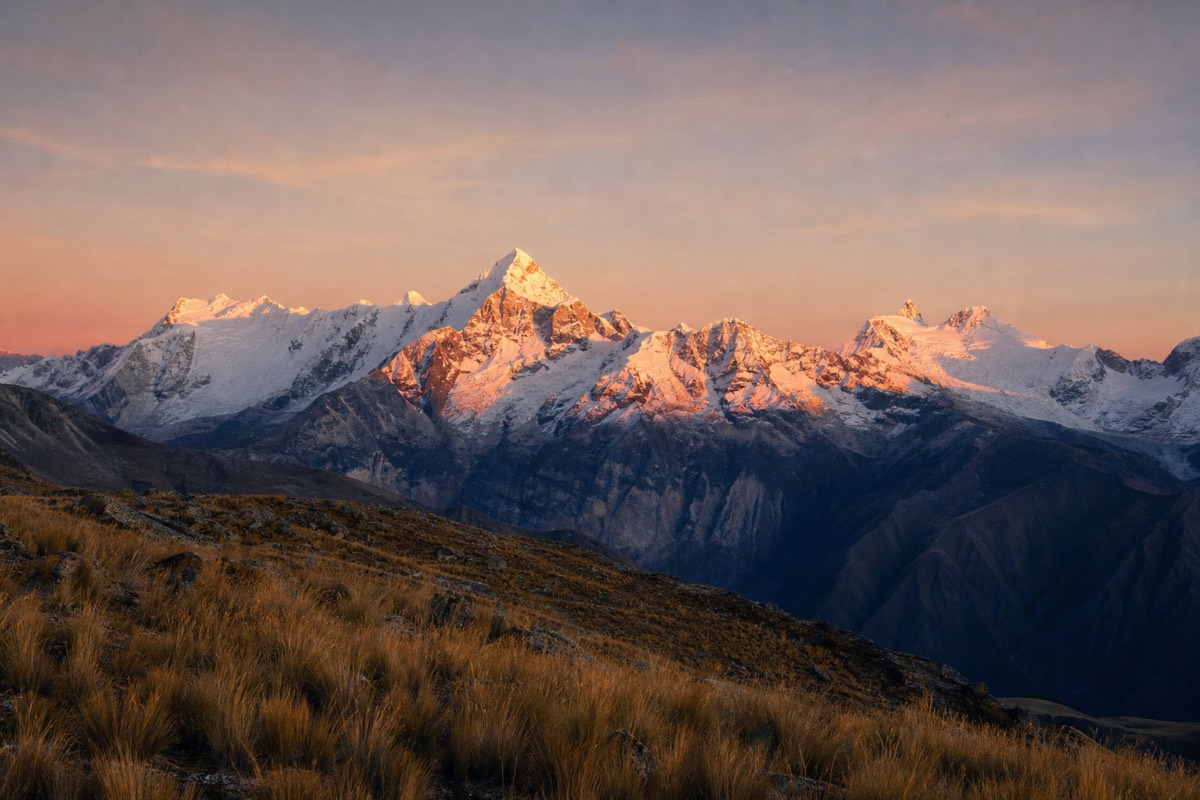
Generally, yes. Huaraz lies in Ancash, outside every U.S. "Do Not Travel" zone in Peru, and violent crime against tourists is uncommon. The real hazard here is not crime but altitude: the town sits near 3,050 m and the treks climb far higher. Use normal city sense and gain height slowly.
Keep preparation days separate from the booked itinerary. A supported Santa Cruz crossing combines four days of camps and walking with transport from Huaraz.
Booking Choice: Choose the route, allow time to adjust to altitude, then compare the full quote including excluded fees and personal gear. View Four-Day Santa Cruz Trek
How Safe Is Huaraz Compared With The Rest Of Peru?
Peru as a whole carries a U.S. State Department travel advisory at Level 2, Exercise Increased Caution, mainly for crime and occasional civil unrest. The country's Do Not Travel zones are specific and far from here: the VRAEM river valleys and the Colombia border area in the north. Ancash, the region that holds Huaraz and the Cordillera Blanca, is not on that restricted list, and U.S. government staff are cleared to travel to Huaraz.
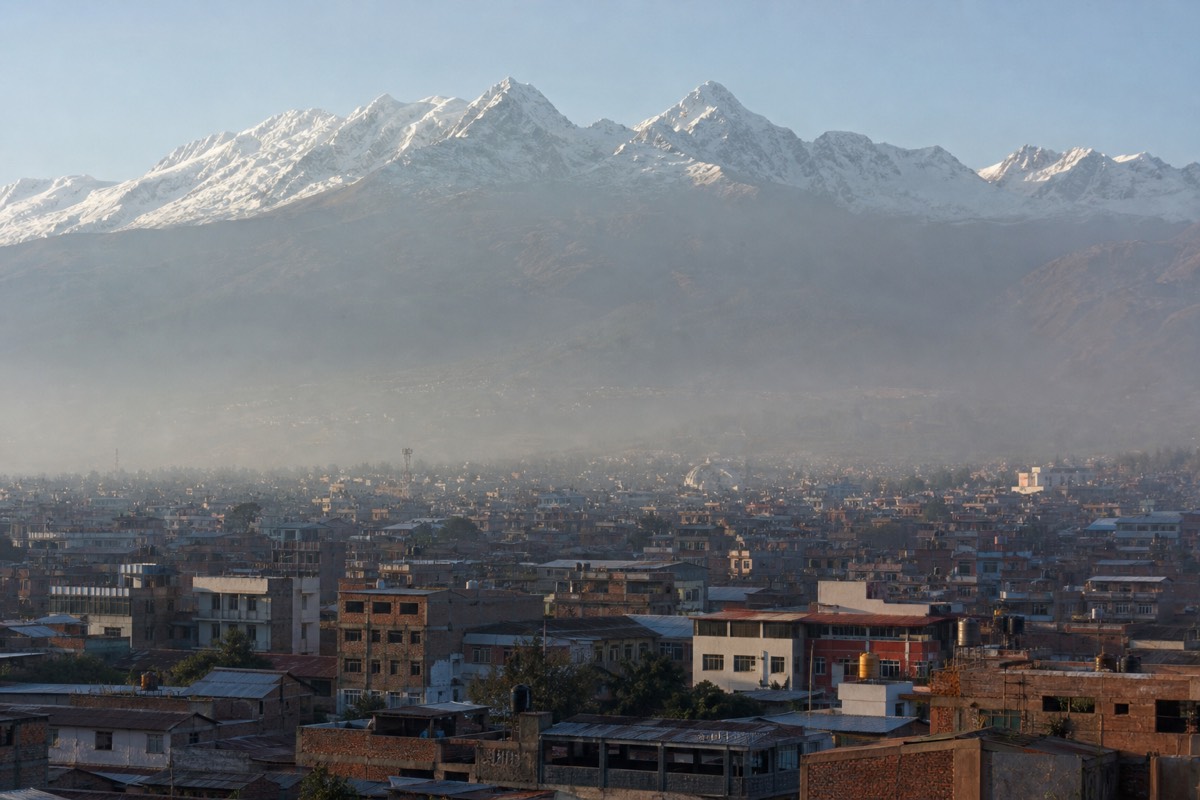
In town, the realistic risk is petty theft: a bag lifted from a cafe chair, a distraction on a busy market street, a phone left in an open pocket. Trailheads and treks see very little crime because there is almost no one out there except other hikers, guides and muleteers. Serious incidents against foreign trekkers are rare.
A guided booking does not change regional travel advisories or remove city risks. Keep the precautions above when making your own travel decision.
Why Is Altitude The Real Risk?
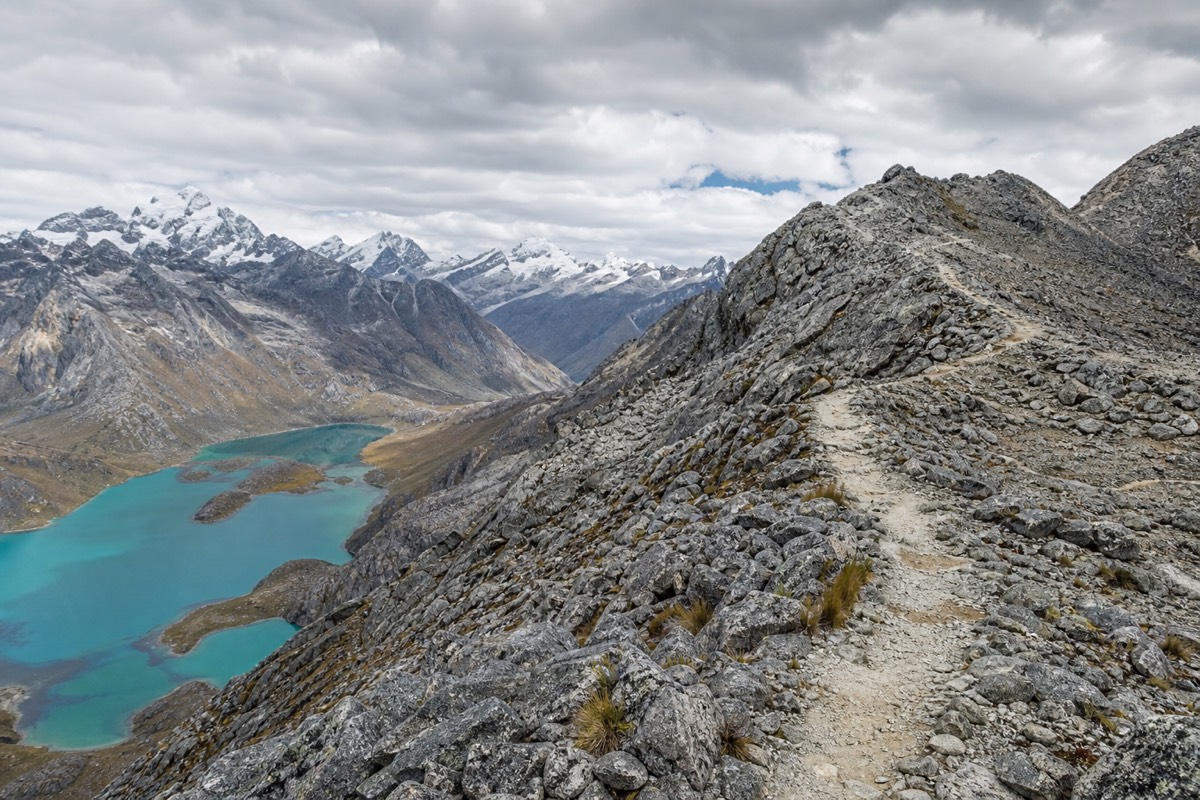
Altitude injures more visitors here than any thief. Huaraz sits at roughly 3,050 m, high enough that some people feel headaches, poor sleep and breathlessness on arrival, and the hikes go much higher: Laguna 69 reaches 4,600 m and the Santa Cruz Trek crosses Punta Union at 4,750 m. Acute mountain sickness can start above about 2,500 m, and climbing high too fast is what turns it dangerous. The CDC advises a slow ascent and real time to acclimatize for exactly this reason.
Learn to read the symptoms, because the response differs a lot by severity.
| What you feel | What it usually means | What to do |
|---|---|---|
| Mild headache, tiredness, poor appetite | Ordinary mild altitude sickness | Rest, drink water, do not climb higher until it clears |
| Worsening headache, vomiting, unsteady walking | Symptoms are getting serious | Descend, and get medical help |
| Breathless at rest, wet cough, confusion | Possible severe altitude illness | Descend right away and seek urgent care |
The prevention is boring and effective: spend two to three days gaining height gradually before any big climb, drink water, skip alcohol the first nights, and descend if symptoms get worse rather than better. Our guide to acclimatizing in Huaraz before the trek walks through the warm-up hikes that build tolerance safely, and our note on how many days to spend in Huaraz keeps you from cutting that window too short.
Do not book a higher hike as a treatment or a test while unwell. No tour here provides medical clearance; worsening symptoms require action, not another ascent.
What Precautions Make Sense In Town?
Nothing here is unusual for the Andes, but a few habits keep the trip smooth. Most trouble is opportunistic and avoidable.
| Situation | Sensible precaution |
|---|---|
| Walking at night | Stick to lit central streets and take a taxi late, ideally one booked through your hotel |
| Taxis | Use registered taxis or an app ride, and agree the fare first |
| Cash and ATMs | Withdraw inside a bank or mall by day and carry small notes |
| Valuables | Keep phone and money zipped away, and leave the passport original in the hotel safe |
| Long-distance buses | Choose reputable companies and travel by day where you can |
Rainy season adds a different hazard. Between November and April, heavy rain can trigger landslides on the mountain roads, and Ancash was placed under a rainfall emergency in early 2026. If you travel then, check road conditions before long drives and pad your schedule.
Is It Safe To Hike And Trek Around Huaraz?
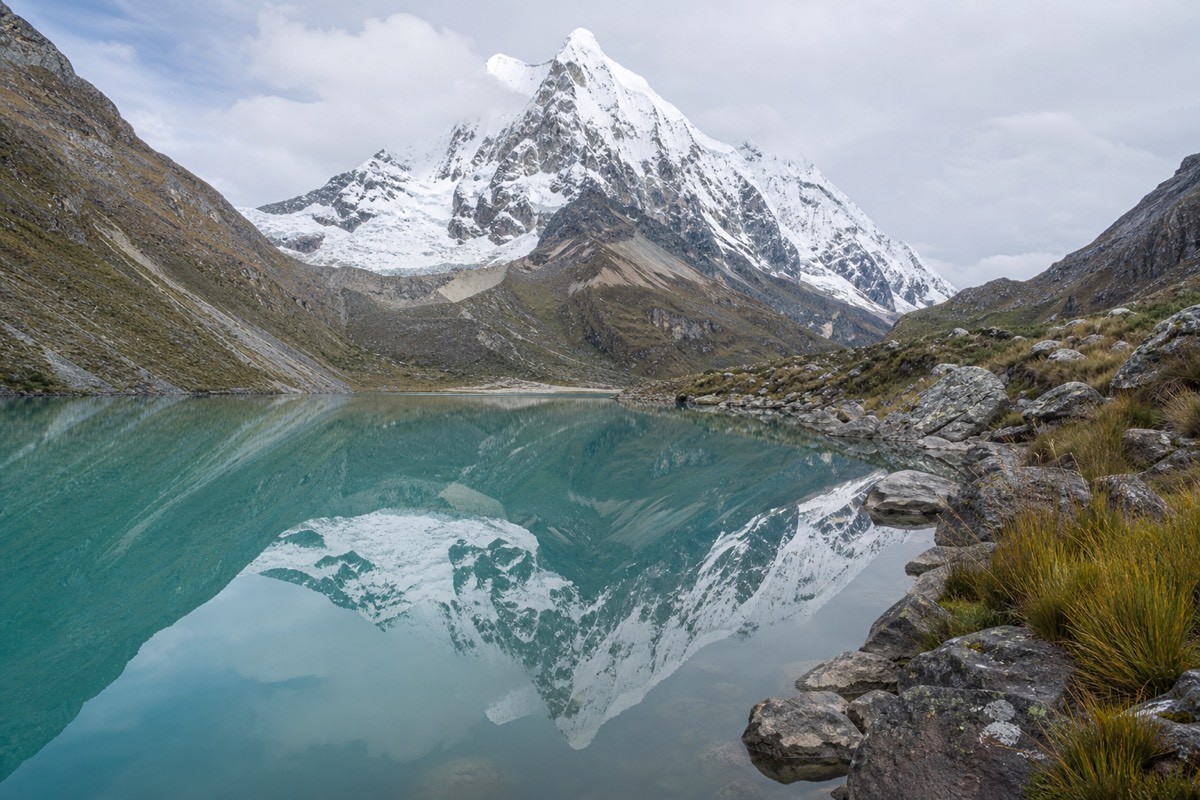
Yes, with the usual mountain caveats, and this is a different question from crime. The dangers on the trail are environmental: altitude, fast weather changes, cold nights near freezing, and loose scree on steep descents. The trails are remote, so phone signal is patchy and help can be hours away. The route runs through Huascaran National Park, managed by SERNANP, the protected-area authority, and reputable operators coordinate with its rangers.
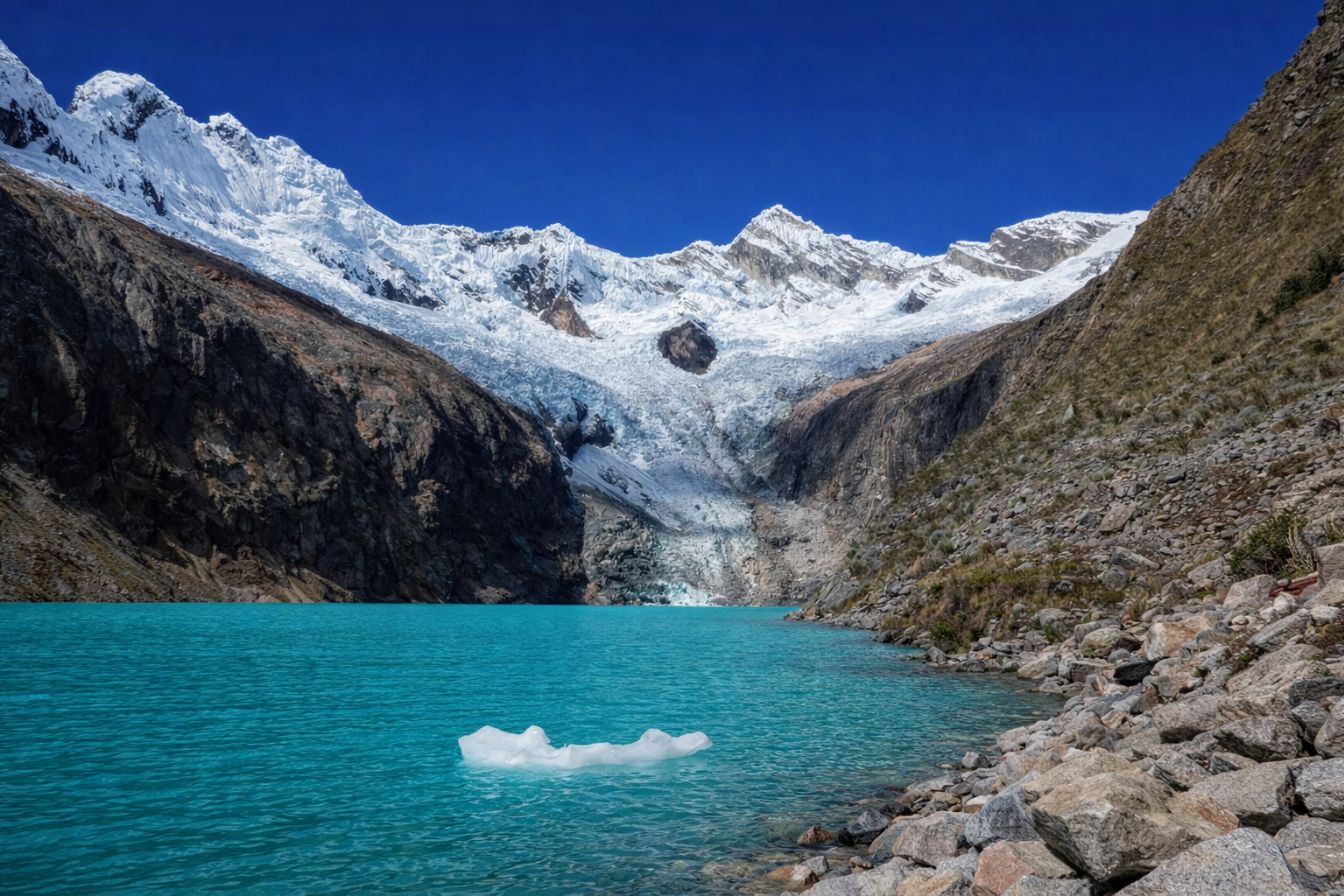
A guided trip adds route knowledge and logistical support, but it does not remove altitude, weather or terrain risks. Confirm the actual equipment and emergency arrangements with the operator. Solo and independent hiking is legal and done by experienced, well-prepared trekkers, but most first-timers are safer and more comfortable on the guided 4-day Santa Cruz Trek, where transport, camps and emergency backup are handled. Solo women regularly join these small-group departures and report feeling secure. Whichever way you go, tell someone your route and dates.