How To Acclimatize In Huaraz Before The Santa Cruz Trek (Best Day Hikes)
Get the altitude right before you start, and the trek becomes a joy instead of a fight. Here is the Huaraz warm-up that works.
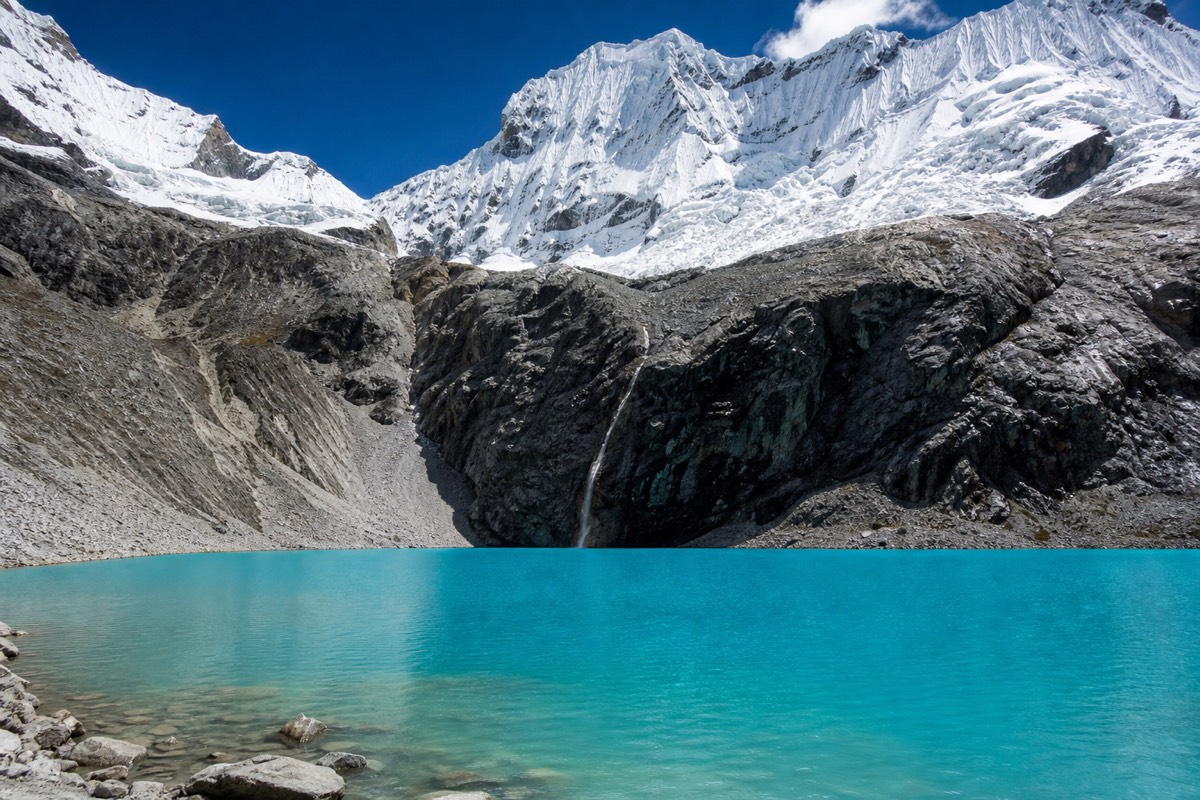
The Santa Cruz Trek does not defeat people with its distance. It defeats them with its altitude, and almost always because they arrived at the trailhead before their bodies had caught up with the mountains. The good news is that fixing this is not complicated. It takes a few unhurried days in Huaraz and a handful of well-chosen hikes, done in the right order.
Keep preparation days separate from the booked itinerary. A Laguna 69 day hike includes return transport from Huaraz once you are ready for a higher outing.
Booking Choice: Choose the route, allow time to adjust to altitude, then compare the full quote including excluded fees and personal gear. View Laguna 69 Day Hike
This guide covers what altitude actually does to you, a day-by-day plan for your time in Huaraz, and the classic warm-up hikes with their real altitudes and difficulty. The medical points here follow public health guidance from sources like the US Centers for Disease Control, and the trail figures are checked against park data and trek references rather than guessed.
The Huaraz acclimatization staircase (altitude by hike)
Altitudes from published trek references and park data, cross-checked 2026. Build up gradually before the 4,750 m Santa Cruz pass.
How Long Do You Need To Acclimatize In Huaraz Before The Santa Cruz Trek?
Plan at least two to three nights sleeping in Huaraz at about 3,052 m before you start, and use those days for progressively higher hikes topping out above 4,000 m. Individual adjustment varies, so this timetable does not certify readiness for the 4,750 m pass. Rushing straight from Lima or Cusco to the trailhead is the single most common mistake.
Huaraz sits at 3,052 metres, which is already high enough that your first day or two there are working days for your body whether you feel it or not. That is exactly why it makes such a good base: you acclimatize simply by sleeping in town, then accelerate the process with day hikes that climb higher and come back down to sleep low.
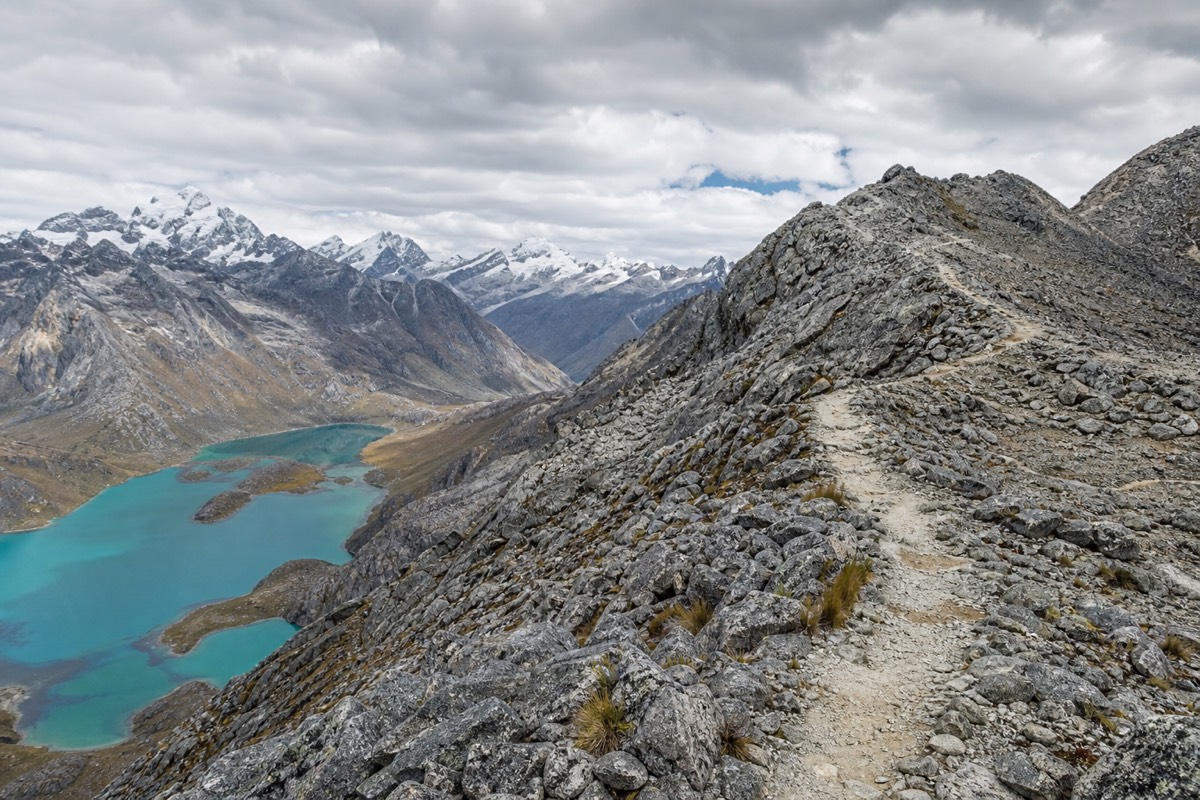
Two to three nights is the practical minimum before Santa Cruz, and more is better if your schedule allows. The trek's high point at Punta Union reaches 4,750 metres, so you want to have already stood at 4,000 metres or higher, comfortably, before the pass day. If you are still deciding how to slot this into a trip, how many days to spend in Huaraz works through the wider itinerary math.
A fixed number of nights cannot certify readiness. Keep the trek date flexible if symptoms or your response to altitude call for more time.
What Actually Happens To Your Body At Altitude?
Above roughly 2,438 m (8,000 ft), the air holds less oxygen, and your body needs days to adjust by breathing faster and making more red blood cells. Ascend too fast and you risk acute mountain sickness, which affects about one in four people sleeping above 2,450 m. Its severe forms, HACE and HAPE, are rare but dangerous.
The problem at altitude is not less oxygen in percentage terms, it is lower air pressure, which means each breath delivers fewer oxygen molecules. Your body responds by breathing deeper and faster and, over days, by producing more oxygen-carrying red blood cells. That adjustment is what acclimatization is, and it cannot be rushed or willed. It simply takes time at altitude.
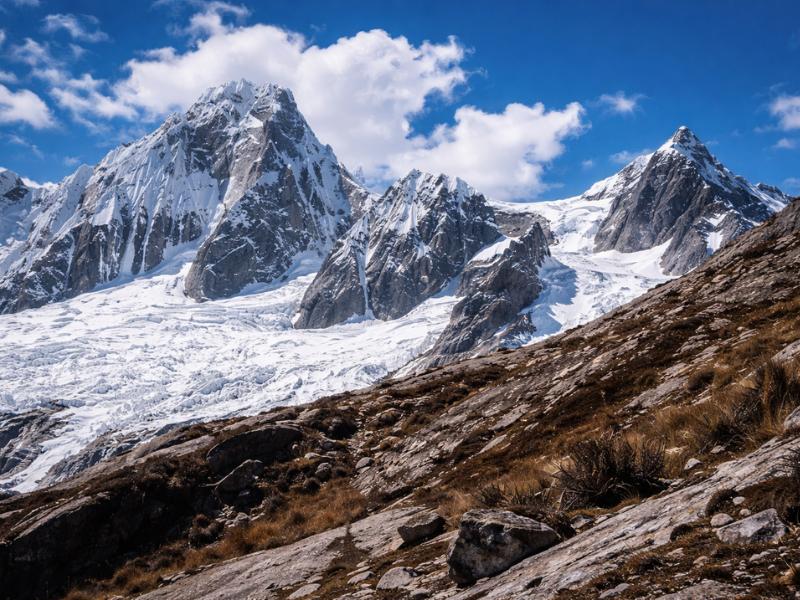
Public health guidance is consistent on the ascent rate. Above about 2,743 metres (9,000 feet), you should raise your sleeping altitude by no more than roughly 488 metres (1,600 feet) per day, and add an extra rest day for every 1,000 metres or so of gain. Because Huaraz already sits above those thresholds, arriving in town is where your acclimatization clock starts. For the full medical picture, the CDC's overview of travel to high altitudes is the authority worth reading before any high trek.
| Altitude band | Elevation | What it means for you |
|---|---|---|
| High altitude | 2,438 to 3,658 m | Huaraz sits here; adjustment begins |
| Very high altitude | 3,658 to 5,487 m | Most warm-up hikes and the trek pass |
| Safe sleeping-gain rate | ~488 m/day above 2,743 m | Raise where you sleep, slowly |
| Rest-day rule | 1 extra day per ~1,000 m | Build pauses into the plan |
No paid hike prevents altitude illness or substitutes for medical advice. Avoid ascending to sleep higher while symptoms persist.
What Is A Good Day-by-day Acclimatization Plan For Huaraz?
A reliable pattern is: arrive and rest, then hike Laguna Wilcacocha at 3,725 m, then a bigger day to Laguna Churup at 4,450 m or Laguna 69 at 4,550 m, with an easy recovery day before the trek. Each hike climbs high and returns to sleep in Huaraz, the classic climb-high, sleep-low method that speeds adjustment safely.
The principle behind the plan is climb high, sleep low. You spend the daytime hours up high, giving your body the stimulus to adapt, then drop back to Huaraz to sleep where the air is thicker and recovery is easier. Stack a few of these days and you arrive at the trailhead genuinely ready.
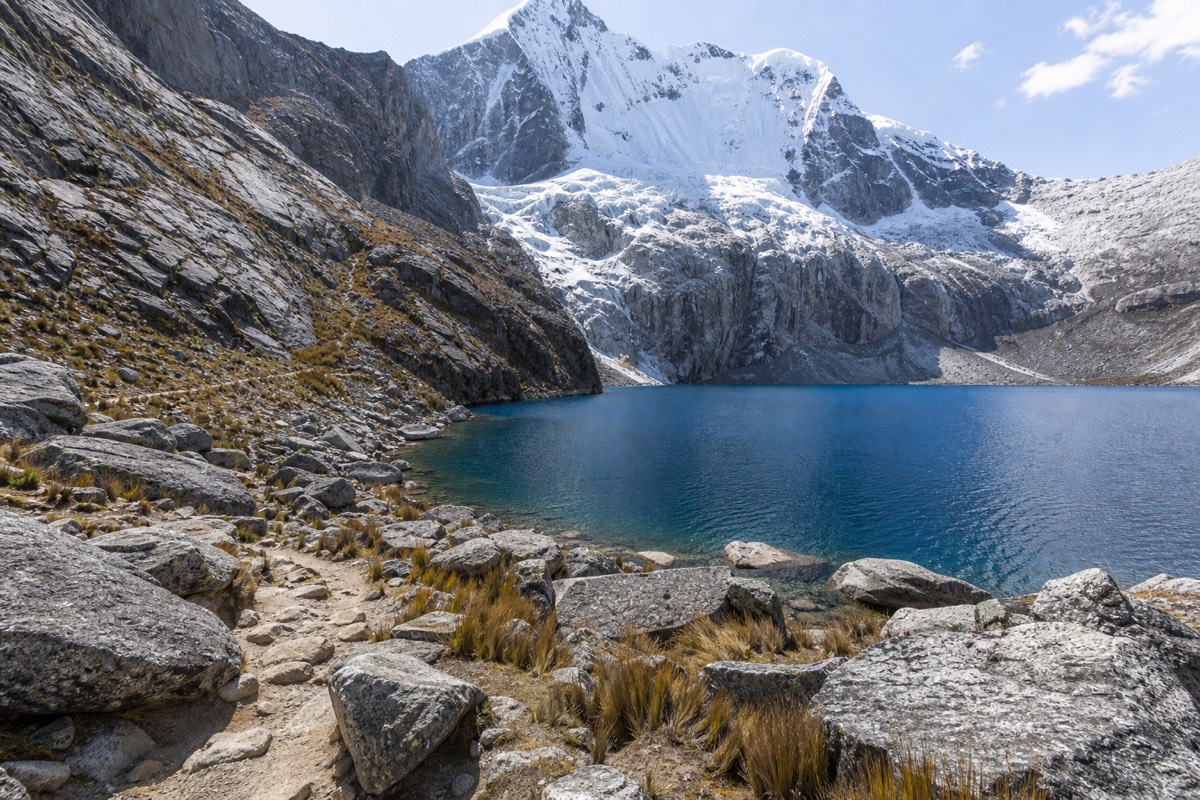
Here is a sensible three-to-four-day build. Adjust it to how you feel, and never push a bigger hike if the previous one left you rough. Rest days are progress, not lost time. If you have extra days, spreading them out only helps, and it also leaves room to compare notes with Santa Cruz versus the Huayhuash circuit if you are eyeing a second, harder trek later.
| Day | Plan | Sleep altitude |
|---|---|---|
| Day 1 | Arrive Huaraz, rest, gentle walk in town, hydrate | 3,052 m |
| Day 2 | Laguna Wilcacocha hike (3,725 m), easy half day | 3,052 m |
| Day 3 | Laguna Churup (4,450 m) or Laguna 69 (4,550 m) | 3,052 m |
| Day 4 | Easy recovery, gear check, hydrate, early night | 3,052 m |
| Day 5 | Start the Santa Cruz Trek | trek camp |
Two to three nights covers the essentials, but if you can give it four or five you will feel markedly stronger on the pass. The extra days cost little and pay back in enjoyment, and in a lower chance of a trek cut short by altitude.
Which Warm-up Day Hikes Should You Do, And In What Order?
Do them in rising order of altitude and effort: Laguna Wilcacocha at 3,725 m first as an easy leg-stretcher, then Laguna Churup at 4,450 m or the famous Laguna 69 at 4,550 m as your big pre-trek test. Pastoruri glacier near 5,050 m is an optional high point reached with little walking, good for feeling real altitude.
Order matters as much as the hikes themselves. Wilcacocha is the gentle opener: a short climb to 3,725 metres with about 600 metres of gain over roughly 3.3 kilometres each way, done in a half day, with big views back to the Cordillera Blanca. It is the perfect first outing to see how your body handles moving at altitude before you commit to anything harder.
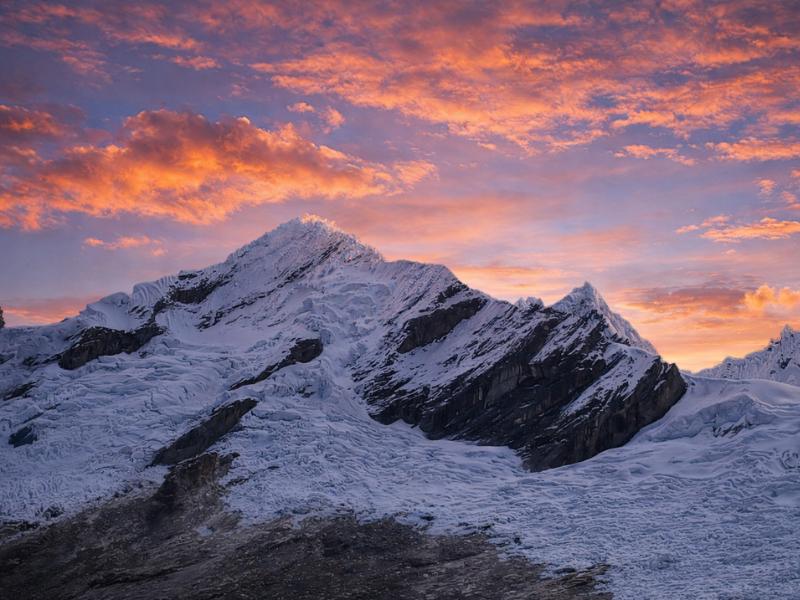
From there you step up. Laguna Churup is a steeper, rockier day to a glacial lake at 4,450 metres, with a short scrambly section that some find airy. Laguna 69, the region's poster hike, climbs from the Cebollapampa trailhead around 3,850 metres to a startling turquoise lake at 4,550 metres, roughly 6 kilometres each way with about 800 metres of gain, and a full 10 to 11 hour day once transport is counted. Either one is an excellent final rehearsal for the trek. Pastoruri is the odd one out: a short walk to a glacier viewpoint above 5,000 metres, which lets you touch serious altitude without a hard hike, a useful test of how your body copes up high.
| Hike | Max altitude | Difficulty | Day length | Best as |
|---|---|---|---|---|
| Laguna Wilcacocha | 3,725 m | Easy | Half day | First acclimatization walk |
| Laguna Churup | 4,450 m | Moderate to hard, scrambly | Full day | Step-up test |
| Laguna 69 | 4,550 m | Moderate to hard | 10 to 11 hours | Big pre-trek rehearsal |
| Pastoruri glacier | ~5,050 m | Easy walk, high altitude | Full day (long drive) | Altitude test, little effort |
You do not need all four. A common and effective pairing is Wilcacocha followed by Laguna 69, which covers the full range from gentle to genuinely high. Add Churup or Pastoruri if you have spare days and want more time on your feet before the trek.
The reviewed Wilcacocha Viator listing is unavailable. Keep the independent lower walk above as an option; a higher lake trip is not an equivalent first-day substitute.
Why Is Laguna 69 The Standout Pre-trek Hike?
Laguna 69 is the best single rehearsal for the Santa Cruz Trek because it mimics the trek's demands closely: a long day, about 800 m of climbing, and a top altitude of 4,550 m, close to the 4,750 m Punta Union pass. If you handle Laguna 69 comfortably, you have strong evidence you are ready for the trek's hardest day.
Laguna 69 earns its fame twice over. The lake itself is an almost unreal shade of turquoise beneath a hanging glacier, so it rewards the effort with one of the great views in the range. Just as important for a trekker, the profile of the day is a near-perfect stand-in for the pass day on Santa Cruz: a sustained climb, a top-out well above 4,500 metres, and a long stretch on your feet.
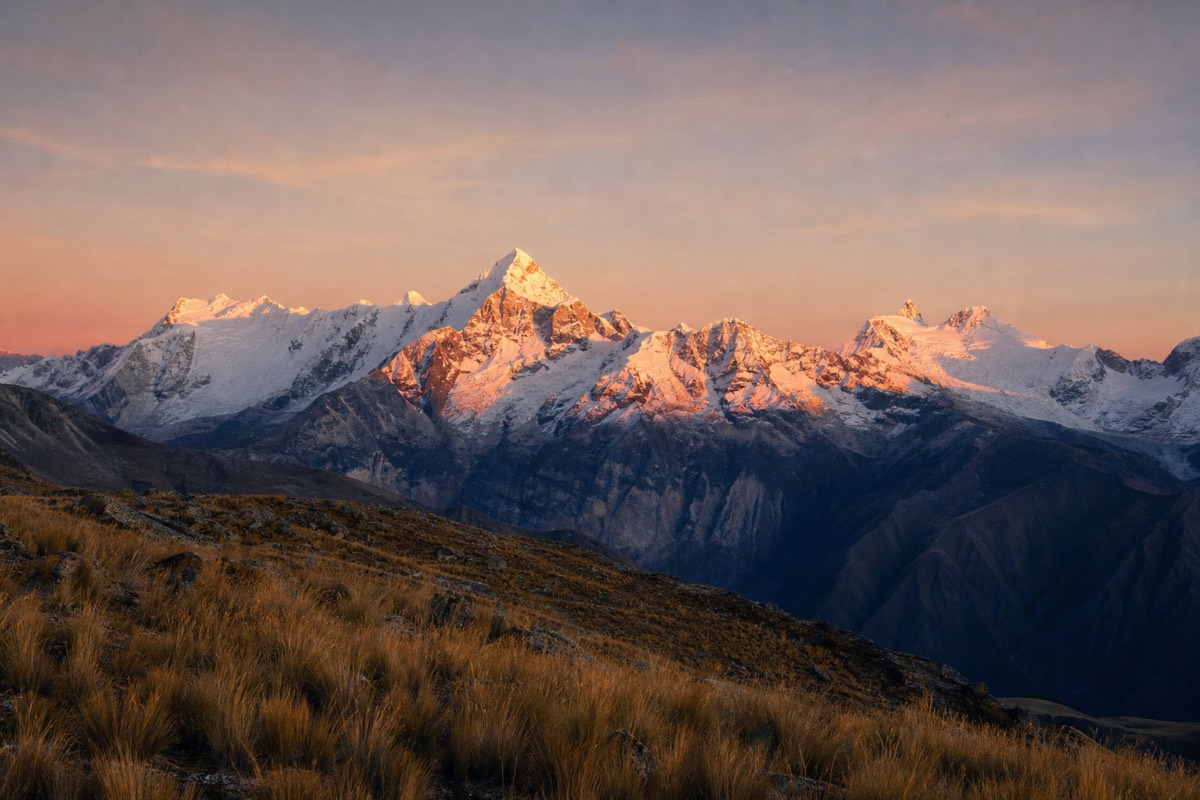
Both the lake and the trek sit inside Huascaran National Park, a UNESCO World Heritage Site protecting the highest tropical mountain range on Earth, so the terrain and altitude you meet on Laguna 69 are the same you will meet on the trek. Treat it as a dress rehearsal. If you reach the lake feeling strong, eat well, and descend comfortably, you can start the guided 4-day Santa Cruz Trek with real confidence. If it flattens you, that is priceless information: take another rest day before committing to the pass.
What Altitude Sickness Symptoms Should You Watch For?
Watch for headache, nausea, fatigue, dizziness, and poor sleep, the marks of acute mountain sickness. The danger signs are confusion or loss of coordination, which point to brain swelling (HACE), and breathlessness at rest with a wet cough, which points to fluid in the lungs (HAPE). The golden rule: never ascend with worsening symptoms, and descend if they get worse.
Most people who climb too fast get some acute mountain sickness, and in mild form it is manageable: a headache, some nausea, tiredness, and a bad night's sleep. The correct response is to stop going up. Rest at the same altitude, drink water, treat the headache, and let your body catch up. Symptoms that ease with a rest day mean the plan is working.
The two severe forms are rare but real, and they are medical emergencies. High-altitude cerebral edema shows as confusion, stumbling, or an inability to walk a straight line. High-altitude pulmonary edema shows as breathlessness even at rest, a cough, and chest tightness. Both demand immediate descent and help. A professional team may add support, but oxygen and rapid evacuation must never be assumed. Confirm the operator’s equipment and evacuation plan. A guided trip like the Santa Cruz Llanganuco trek builds that safety net in.
| Condition | Key symptoms | What to do |
|---|---|---|
| Acute mountain sickness (AMS) | Headache, nausea, fatigue, dizziness, poor sleep | Stop ascending, rest, hydrate, treat headache |
| Cerebral edema (HACE) | Confusion, loss of coordination, drowsiness | Descend immediately, seek help, oxygen |
| Pulmonary edema (HAPE) | Breathless at rest, wet cough, chest tightness | Descend immediately, seek help, oxygen |
The theme across all three is the same: altitude illness is caused by going up too fast, and worsening illness requires descent and medical help. Act promptly on symptoms; a timetable or an earlier successful hike cannot guarantee protection.
No booking is appropriate as a response to altitude symptoms. Stop ascending while unwell; severe or worsening symptoms require descent and urgent help.
What Helps You Acclimatize, And What Should You Avoid?
Help your body by ascending slowly, drinking plenty of water, eating well, and taking easy rest days. Avoid alcohol and hard exertion for the first 48 hours at altitude. Some travellers use acetazolamide as a preventive, but that is a conversation to have with your doctor before the trip, not a decision to make at the trailhead.
The habits that help are unglamorous and they work. Go up gradually and sleep low after high days. Drink water steadily, since altitude and dry air dehydrate you faster than you notice. Eat enough, even when appetite dips, because your body is working hard. Take the rest days seriously. Locally, coca tea is a traditional aid that many find mildly helpful for the discomfort of altitude, though it is a comfort measure, not a substitute for proper pacing.
The things to avoid are just as simple. Skip alcohol and heavy exertion for the first couple of days in Huaraz, since both make adjustment harder. Do not treat a preventive medicine as a licence to ascend faster. Acetazolamide can speed acclimatization and is well established as a preventive, but it is a prescription decision for your own doctor based on your history, and it does not replace a sensible ascent profile. For the practical side of planning all this around your budget, the full cost breakdown covers the small extras these acclimatization days add.
| Do | Avoid |
|---|---|
| Ascend gradually, sleep low after high days | Rushing straight to the trailhead |
| Drink water steadily through the day | Alcohol in the first 48 hours |
| Eat well and take rest days | Hard exertion on arrival day |
| Ask your doctor about acetazolamide early | Self-medicating to ascend faster |
Rest, gradual ascent and personal medical advice cannot be replaced by a tour. Keep this preparation time outside the paid trek itinerary.
Do Children And Older Trekkers Need To Acclimatize Differently?
Children are as susceptible to altitude illness as adults, so families should plan extra days in Huaraz and gentler warm-up hikes, and choose private trips that can slow the pace. Older trekkers who are healthy and fit acclimatize much like anyone else, but benefit from a patient build-up and an honest talk with their doctor before the trip.
Age changes the margins rather than the method. For younger trekkers, most operators set a practical minimum around ten to twelve years on the full trek, with individual suitability requiring operator and medical advice. Families who bring fit older kids do well by adding acclimatization days, keeping the warm-up hikes on the gentler end like Laguna Wilcacocha, and booking a private trip that can shorten days and add rest. Younger children are better suited to easy day hikes than the high pass.
Older trekkers are often stronger at this than they expect. Good general fitness and a steady, unhurried ascent matter far more than age, and plenty of trekkers well into later life complete the route comfortably. The sensible additions are a slightly longer acclimatization schedule and a pre-trip medical check, especially for anyone with heart or lung conditions or on regular medication, since altitude adds load to both. The core plan, build up gradually and sleep low after high days, serves every age.
The listings do not establish individual suitability for children or older travelers. Obtain operator confirmation for your party and medical advice where needed before booking.
How Do You Know You Are Ready To Start The Trek?
You are ready when you have slept at least two to three nights in Huaraz, completed a hike above 4,000 m feeling tired but fine, have no lingering altitude symptoms, are sleeping and eating well, and your gear is sorted. If you tick those, the pass is within reach. If a warm-up hike flattened you, take another rest day before committing.
Readiness is something you can actually check rather than guess. The clearest signal is how you felt on your highest warm-up hike: if Laguna Churup or Laguna 69 left you tired but functional, ate well afterwards, and slept normally that night, your body is adapting on schedule. Lingering headaches, poor appetite, or broken sleep are signs to slow down, not to push on toward a 4,750-metre pass.
Run through the checklist below before you commit to a start date. It is not about being an athlete, it is about evidence that your acclimatization has taken. When the boxes are ticked, you can begin the guided 4-day Santa Cruz Trek with confidence, and a professional team will keep monitoring you on the trail. When they are not, another day in Huaraz is never wasted.
| Readiness check | You want |
|---|---|
| Nights slept in Huaraz | 2 to 3 or more |
| Highest warm-up hike | Above 4,000 m, completed comfortably |
| Lingering AMS symptoms | None |
| Sleep and appetite | Both good |
| Hydration and gear | On top of both |
How Does Good Acclimatization Change Your Santa Cruz Trek?
Arriving well acclimatized turns the trek from a grind into the trip you came for. The 4,750 m Punta Union pass feels hard but doable rather than brutal, you sleep better at the high camps, and your risk of a trek cut short by altitude drops sharply. The days you invest in Huaraz pay back on every hour of the trail.
Picture two trekkers on pass day. One flew in from sea level three days ago and did the acclimatization work: hydrated, hiked to 4,550 metres, slept low, and rested. The other arrived yesterday and started straight up. On the climb to Punta Union at 4,750 metres, the first is tired but steady and taking photos at the top. The second is battling a splitting headache and nausea, and may not make the pass at all. Same trail, different preparation.
That is the whole case for a patient warm-up. Good acclimatization does not just lower the medical risk, it changes the experience, letting you actually enjoy the lakes, the camps, and the great sweep of peaks from the pass instead of gutting it out. When you are ready to turn the plan into a booked trip, the day-by-day Santa Cruz Trek itinerary shows exactly where that hard-won fitness gets used. Spend the days in Huaraz first, and the mountains give back everything you put in.